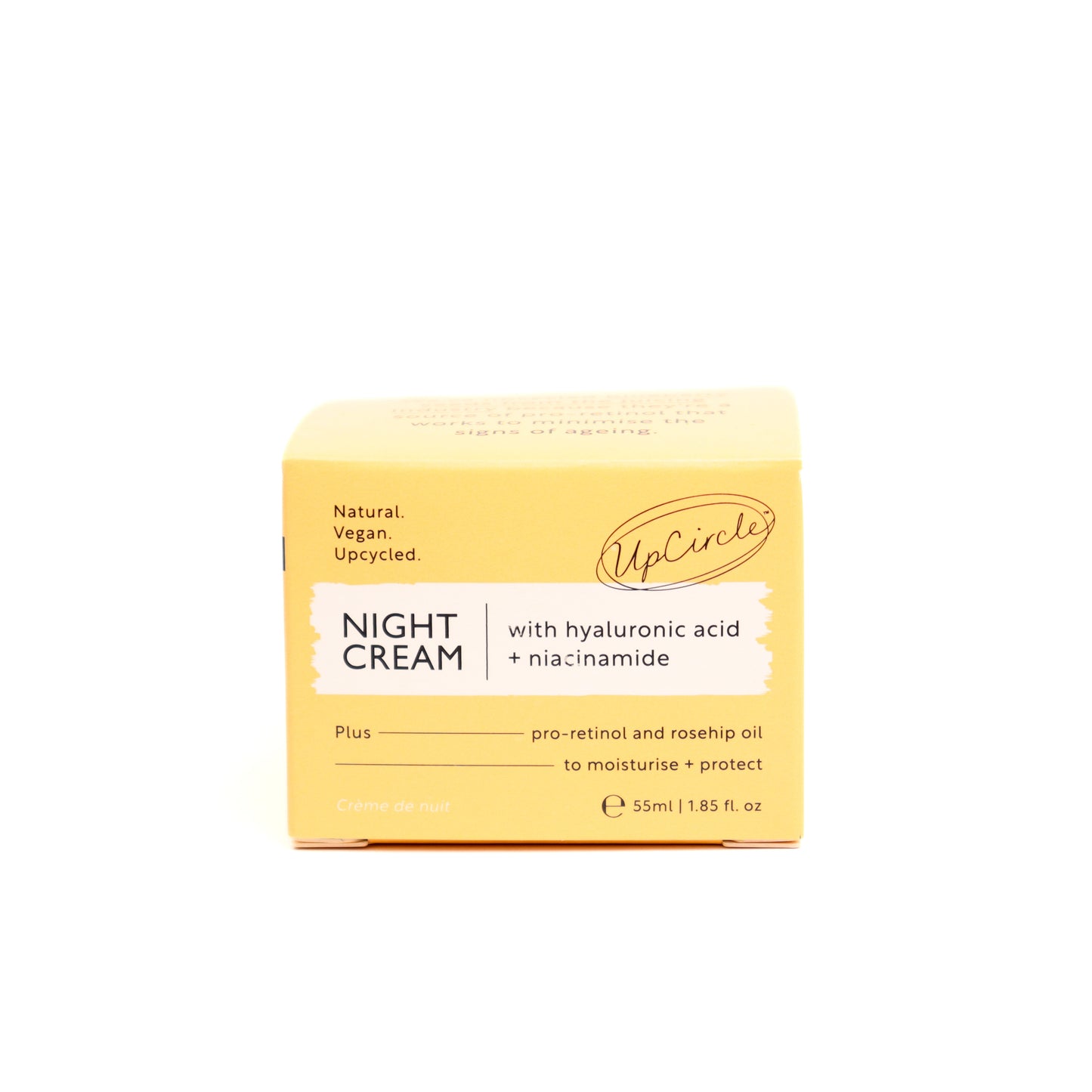
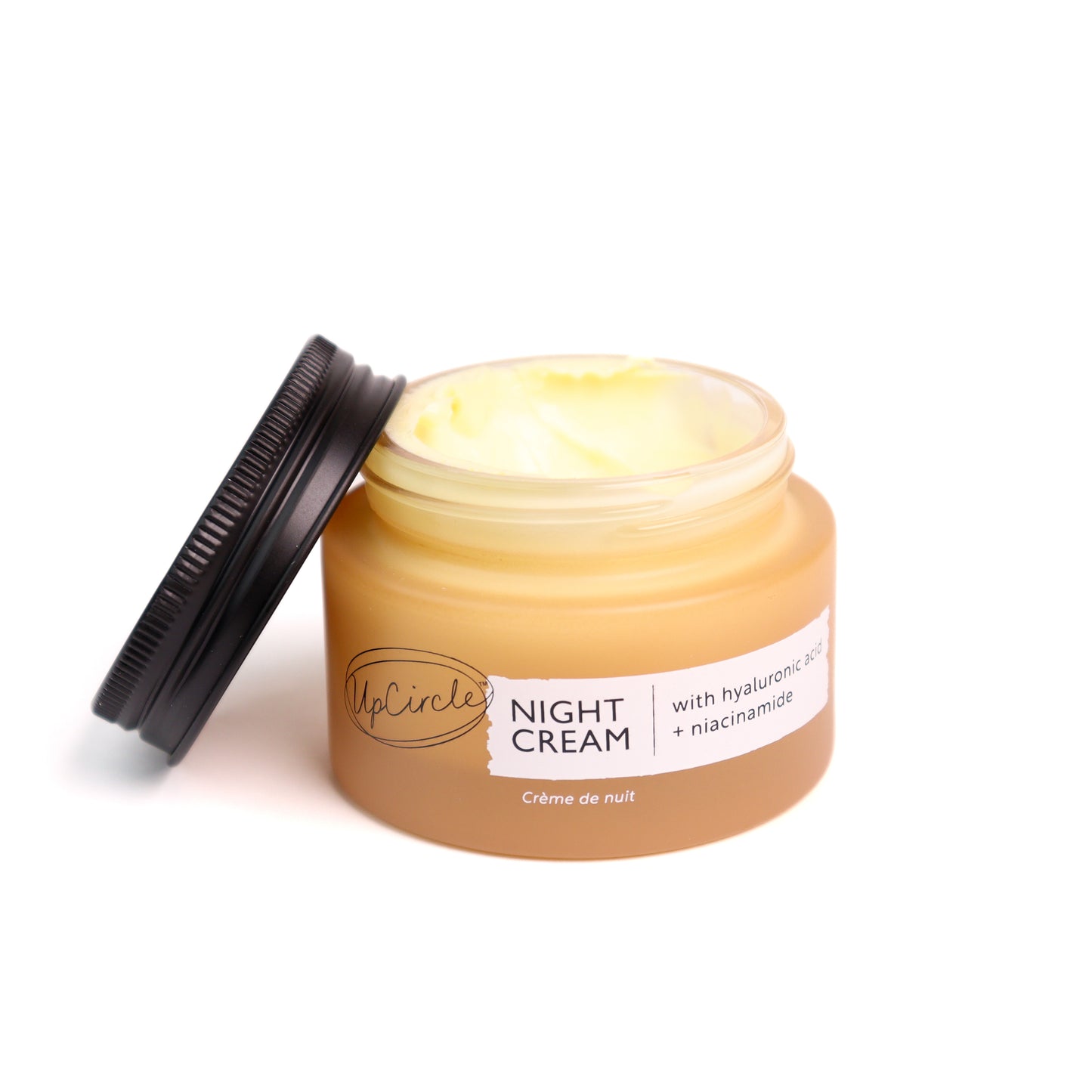
The Night Cream Myth: Do You Actually Need One, or Is It Just Marketing?
Share
Walk into any beauty counter and you'll be presented with an array of day creams, night creams, and everything in between. But here's the question that's probably crossed your mind whilst staring at your skincare shelf: do you actually need a separate cream for nighttime, or is this just clever marketing designed to make you buy twice as many products?
The answer, as with most things in skincare, isn't a simple yes or no. Your skin does indeed have different needs at night—but that doesn't automatically mean you need a product specifically labelled "night cream." Let's separate the science from the sales pitch and help you make an informed decision about what your skin truly needs.
What Actually Happens to Your Skin at Night?
To understand whether night creams serve a genuine purpose, we first need to look at what's happening with your skin whilst you sleep.
Your Skin's Circadian Rhythm Is Real
Your skin operates on a 24-hour cycle, much like the rest of your body. This isn't marketing fluff—it's established dermatological science. During daylight hours, your skin is in defence mode, focusing on protecting itself from UV radiation, pollution, and environmental stressors. When evening arrives, your skin shifts into repair and regeneration mode.
Here's what specifically changes at night:
- Cell regeneration increases: Studies show skin regeneration peaks between 10pm and 2am, making nighttime the optimal period for active ingredients to work.
- Blood flow improves: Enhanced circulation delivers more nutrients and oxygen to skin cells.
- Trans-epidermal water loss (TEWL) increases: Your skin loses more moisture at night, particularly between midnight and 4am, which is why many people wake up with dull, rough, and dry skin.
- Skin's permeability increases: Absorption of ingredients is higher at night, allowing for deeper penetration of actives.
The circadian shift explains why many people wake up with slightly puffy, well-hydrated skin in the morning—it's the result of increased blood flow and your skin's repair work overnight. However, the increased TEWL also means your skin can become dehydrated if not properly supported.
The key question is: does this biological reality necessitate a completely different product, or can you simply adjust how you use your existing moisturiser?
Deconstructing the "Night Cream" Category
Let's examine what actually makes a product a "night cream" and whether those differences matter.
Common Night Cream Characteristics
Most night creams share these features:
Richer, heavier textures: Night creams are typically thicker and contain more occlusive ingredients (like shea butter, plant oils, and waxes) that create a barrier to prevent moisture loss. Without concerns about makeup application or sun exposure, formulas can feel heavier on the skin.
Higher concentration of active ingredients: Many night creams contain stronger doses of ingredients like retinoids, peptides, or antioxidants, since you're not exposing your skin to UV light, which can degrade them.
Omission of SPF: Day creams often include sun protection, whilst night creams do not, accounting for significant formula differences.
Focus on repair ingredients: Night formulas often emphasise ingredients that support cellular repair, like niacinamide, ceramides, and antioxidants.
Here's the Truth: It's About Ingredients, Not Time of Day
A night cream isn't magical simply because you apply it at bedtime. What matters is whether the ingredients and formulation meet your skin's needs during that phase of its circadian cycle.
You could theoretically use a "night cream" during the day (though it might feel heavy) or a "day cream" at night (though it might not provide enough occlusion). The labels are convenient marketing categories, but what you should really be asking is: "Does this formula give my skin what it needs right now?"
When a Separate Night Cream Actually Makes Sense
There are legitimate scenarios where investing in a dedicated night cream is beneficial rather than excessive:
You Have Very Dry or Mature Skin
If your skin is dry, dehydrated, or showing signs of ageing, a richer nighttime formula can provide the extra nourishment your skin needs during its peak repair hours. The heavier occlusives help seal in moisture and support your skin barrier whilst you sleep.
What to look for: Night creams with plant oils, ceramides, hyaluronic acid, and nourishing butters.
You Use Active Treatments at Night
If you apply targeted treatments like retinoids, AHAs, or vitamin C in your evening routine, a dedicated night moisturiser can help buffer potential irritation and prevent the increased TEWL these actives can cause.
What to look for: Formulas with barrier-supporting ingredients like niacinamide, centella asiatica, and squalane.
Your Day Cream Contains SPF
Many daily moisturisers include broad-spectrum sun protection, which is necessary for daytime but not at night. If your day cream is an SPF moisturiser, you'll definitely want a separate option for evening that delivers hydration without the sun filters.
What to look for: A formula with similar base ingredients to your SPF moisturiser but enhanced with reparative ingredients and without sun protection.
You Live in a Climate with Extreme Seasonal Changes
Your skin's needs may change with the seasons. A lighter night cream might suffice in summer, but winter temperatures may demand a richer night cream for extra hydration and repair.
What to look for: Consider having two options—a lighter night lotion for warmer months and a richer night cream for autumn and winter.
When You Probably Don't Need a Separate Night Cream
Let's be equally honest about when a dedicated night cream is unnecessary:
You Have Oily or Combination Skin
If your skin produces ample sebum, you're already creating your own natural occlusive layer. A heavy night cream might lead to clogged pores, breakouts, or discomfort.
What to do instead: Use your regular lightweight moisturiser or even just a hydrating serum. Your skin's natural oils will help prevent TEWL overnight.
You're on a Budget
Skincare should enhance your life, not strain your finances. If purchasing separate day and night creams means cutting corners elsewhere in your routine (or your life), it's not worth it.
What to do instead: Invest in one excellent moisturiser that suits your skin type and apply it more generously at night if needed. You can always add a facial oil on top for extra nourishment.
Your Current Moisturiser Already Works Brilliantly
If your skin looks healthy, feels comfortable, and you're seeing no issues with your current routine, don't fix what isn't broken. Skincare minimalism is a valid and often underrated approach.
What to do instead: Simply continue with what's working. You might apply a thicker layer at night or add a targeted treatment serum underneath if you want to address specific concerns.
The Ingredient Timing Guide: What to Use When
Rather than thinking in terms of "day cream" versus "night cream," consider which ingredients are best suited to different times:
Best for Evening Application
Retinoids and retinol: These vitamin A derivatives increase photosensitivity and can degrade in sunlight. Always use them at night, followed by a nourishing moisturiser.
AHAs and BHAs: Chemical exfoliants can make skin more sensitive to UV damage. Evening application is generally safer.
Rich plant oils: Heavier oils are ideal for overnight nourishment when you don't need to worry about makeup application or a matte finish.
Peptides and growth factors: These reparative ingredients align with your skin's nighttime regeneration process.
Works Well Any Time
Hyaluronic acid: This hydration hero is beneficial morning and night. Your skin needs moisture around the clock.
Niacinamide: This versatile B vitamin supports barrier function, reduces inflammation, and works both day and night.
Ceramides: These lipids help repair and maintain your skin barrier regardless of time of day.
Antioxidants (with caveats): Most antioxidants work any time, though vitamin C is often recommended for morning use to help defend against daytime environmental damage.
Best for Morning Application
SPF: Non-negotiable for daytime, completely unnecessary at night.
Lightweight, fast-absorbing formulas: Save these for morning when you need your moisturiser to sit well under makeup and not interfere with your day.
Your Night Cream Decision Flowchart
Use this simple guide to determine whether you need a separate night cream:
Question 1: Does your day moisturiser contain SPF?
- Yes → You need a separate night option (no point applying sun protection in the dark)
- No → Continue to Question 2
Question 2: Is your skin dry, dehydrated, or mature?
- Yes → A richer night cream would likely benefit you
- No → Continue to Question 3
Question 3: Do you use strong active treatments at night (retinoids, acids)?
- Yes → A dedicated night moisturiser with barrier-supporting ingredients would help
- No → Continue to Question 4
Question 4: Is your current single moisturiser working well both day and night?
- Yes → You don't need a separate night cream
- No → Identify what's missing (more hydration? better texture? specific ingredients?) and address that need
Smart Alternatives to Buying Two Separate Creams
If you've determined that you need different levels of moisture or different ingredients at night but don't want to purchase multiple products, try these approaches:
Layer Your Existing Products Differently
Daytime: Lightweight serum + moisturiser + SPF
Nighttime: Hydrating serum + moisturiser + facial oil (the oil acts as your "night cream" by sealing everything in)
Adjust the Amount You Apply
Use a thin layer of your moisturiser in the morning and apply it more generously at night. This simple adjustment can provide the extra nourishment your skin needs overnight without requiring a separate product.
Add One Targeted Evening Product
Instead of a complete night cream, add a single product that addresses your nighttime needs—perhaps a nourishing facial oil, a barrier repair serum, or a sleeping mask you use once or twice weekly.
Choose a Versatile Moisturiser
Look for formulas that are rich enough to nourish at night but elegant enough to wear during the day. Many modern moisturisers are designed with this versatility in mind.
The Sustainable Perspective: Less Can Be More
From an environmental standpoint, buying fewer products means less packaging waste, reduced shipping impact, and lower overall consumption. If one excellent moisturiser can serve your needs both day and night (perhaps with small adjustments), that's the more sustainable choice.
The beauty industry has a vested interest in convincing you that you need separate products for every time of day, season, and minor skin variation. Whilst some product differentiation serves genuine purposes, much of it is simply marketing. Being a conscious consumer means questioning whether you truly need what you're being sold.
Your skincare routine should be as streamlined or comprehensive as your skin actually requires—not as extensive as brands would like it to be.
The Bottom Line: Let Your Skin Decide
The "night cream" category isn't entirely marketing fiction, but nor is it a universal necessity. Your skin does have different needs at night, but whether that requires a separate product depends on your individual skin type, concerns, climate, and existing routine.
Ultimately, pay attention to your skin. If it feels tight, dehydrated, or uncomfortable in the morning, it might need more nourishment overnight. If you wake up with congested pores or excessive oiliness, you might be over-moisturising. Your skin will tell you what it needs if you listen.
Rather than blindly following the day cream/night cream prescription the beauty industry has written for you, become your own skincare expert. Understand the ingredients you're using, recognise your skin's patterns, and make informed choices about what actually serves you.
Ready to find a moisturiser that works for your skin's actual needs rather than marketing categories? Explore our complete moisturiser range featuring versatile, ingredient-focused formulas that you can adapt to your skin's changing needs throughout the day and across seasons. Every product is designed with both efficacy and sustainability in mind—because your skin and the planet both deserve better.
References
- Circadian Rhythms in Skin: The skin's repair mode and permeability increase at night, making this the optimal time for active ingredients to work.
- Trans-epidermal water loss: Your skin loses more moisture overnight, which is why many people wake up with dry, dull skin if not properly moisturised.
- Night cream characteristics: Night creams tend to be thicker, richer, and contain more occlusive or repair-oriented ingredients compared to day creams.
- Formulation differences: Night creams are designed specifically for overnight repair and hydration, while day creams focus on protection (e.g., with SPF) and lighter textures for daytime wear.
- Skin hydration: Consumer studies report increased hydration and improvement in skin conditions with regular use of night creams, especially in dry or mature skin types.
- Active ingredient timing: Certain potent ingredients like retinoids are best used at night due to increased photosensitivity during the day.
- Minimalism in skincare: You can use a single moisturiser for both day and night if it meets your skin's needs, but layering or adjusting the quantity can address changing requirements through the day.